Not Every Food Operator Needs the Same Thing

A shared-use commercial kitchen can sound simple from the outside.

Someone needs a kitchen.
The kitchen has space.
The operator rents the space.
The food business begins.

But in real life, it is rarely that simple.

Continue reading “Not Every Food Operator Needs the Same Thing”

Start Small, But Start Clearly

Starting small is not the same as starting casually.

That is an important distinction in the food business.

A person may not be ready to open a full restaurant. They may not need a long lease, a dining room, a large staff, a full buildout, or the risk that comes with trying to do everything at once.

But that does not mean the beginning should be vague.

A smaller beginning still needs structure.

At The Q — Commercial Kitchen & Commissary in downtown Boaz, this is one of the ideas we keep returning to:

A food operator can start smaller, but the arrangement still needs to be clear.

A smaller start can take many forms

Not every food business begins the same way.

One operator may need basic food truck commissary support.

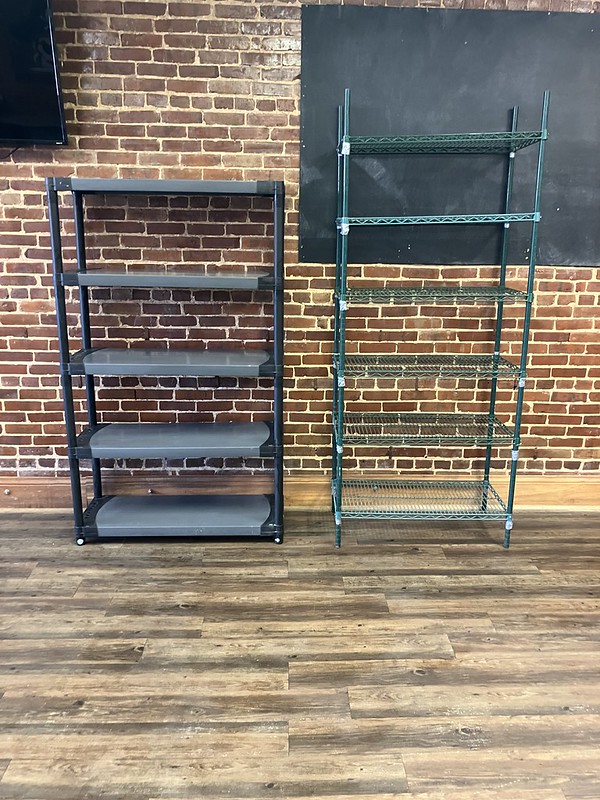
Another may need a place for dry storage.

Another may need refrigeration.

Another may need scheduled warewashing after trailer service.

Another may need a few hours of kitchen prep time.

Another may need a retail pickup arrangement.

Another may need smoker or chargrill access.

Another may begin with one weekly menu, one pickup window, one food truck route, one catering line, one coffee trailer, or one simple product customers keep asking for.

All of those may be small beginnings.

But they are not all the same kind of use.

That is why The Q has to ask questions before saying yes.

What do you actually need?

A food operator may begin by saying, “I just need a commissary.”

But that phrase can mean different things.

Do you need fresh water?

Do you need gray-water disposal?

Do you need trash disposal?

Do you need a place to store dry goods?

Do you need a cooler?

Do you need freezer space?

Do you need to wash pans, utensils, or trailer equipment?

Do you need to use a prep table?

Do you need to package food?

Do you need to cook, cool, reheat, slice, portion, or assemble food?

Do you need customers to pick up orders from the front counter?

Those are different needs.

They involve different spaces, different schedules, different responsibilities, and different prices.

The clearer the arrangement is at the beginning, the better it is for everyone.

Clear agreements protect the operator too

Sometimes written agreements can feel formal.

But in a shared-use food facility, they are necessary.

A clear agreement helps the operator know:

  • what services are included;
  • what services are not included;
  • when access is allowed;
  • what areas may be used;
  • what must be scheduled;
  • what costs extra;
  • what has to be cleaned and reset;
  • and what happens if the business grows into a larger need.

That clarity protects The Q, but it also protects the operator.

Nobody wants confusion after the business has already started.

Nobody wants to assume a cooler is included when it is not.

Nobody wants to assume sink use includes full trailer cleanup when it only includes basic servicing.

Nobody wants to assume a dry-storage shelf means full kitchen access.

Nobody wants to discover too late that the health department, the facility, and the operator were all thinking about the arrangement differently.

Clear agreements prevent that.

Small does not mean free-form

A food business has to deal with reality.

Food has to be stored safely.

Water has to be handled correctly.

Waste has to be disposed of properly.

Shared sinks have to be cleaned and reset.

Coolers and freezers have to be organized.

Prep tables have to be scheduled.

Customers have to know where to go.

Operators have to avoid interfering with one another.

The facility has to remain clean, safe, and workable for the next person.

That is why “small” still needs discipline.

A one-day-a-week food concept still needs discipline.

A food truck commissary arrangement still needs discipline.

A coffee trailer still needs discipline.

A BBQ pickup model still needs discipline.

A small beginning may reduce risk, but it does not remove responsibility.

The Q is built around this middle step

The Q exists because many food operators are not ready for a full restaurant, but they still need something more serious than working informally.

They need a permitted place.

They need a conversation.

They need a workable arrangement.

They need a way to start without pretending they already have a full restaurant.

That middle step matters.

It may be the difference between a good idea staying stuck and a good idea becoming a real food business.

But the middle step only works when it is clear.

Start small, but know the arrangement

The first question is not always, “How big can this become?”

Sometimes the better first question is:

What do you need right now?

Basic commissary service?
Storage?
Refrigeration?
Warewashing?
Kitchen access?
Smoker or chargrill use?
Retail pickup?
A limited weekly schedule?

Once the actual need is clear, the arrangement can be built around it.

That is how a food operator starts smaller without starting sloppy.

That is how a shared-use facility stays workable.

That is how The Q can support more than one kind of food business without turning everything into confusion.

A smaller start can be a smart start.

But it needs to be clear.


The Q — Commercial Kitchen & Commissary

106 South Main Street
Boaz, Alabama

Food operators interested in kitchen access, food truck commissary support, dry storage, refrigeration, warewashing, smoker / chargrill access, or retail food opportunities can call or text 256-557-0517 to schedule a tour and conversation.
What a Food Truck Commissary Really Means

It is more than a signature on a form.

A food truck or food trailer may look self-contained from the outside.

It may have cooking equipment. It may have a smoker, grill, fryer, refrigerator, sinks, storage, and a service window. Some mobile units are impressive. Some are almost small restaurants on wheels.

But even a good food truck usually needs something behind it.

That is where a commissary comes in.

At The Q — Commercial Kitchen & Commissary in downtown Boaz, we are working with mobile food operators who need a dependable base for the parts of food business that do not always fit neatly inside a trailer.

A commissary is not just paperwork.

It is part of the operating system.

The basic need

At the simplest level, a food truck commissary may provide support such as:

  • fresh water fill;
  • gray-water disposal;
  • reasonable trash disposal;
  • approved sink access for basic servicing;
  • documentation support for health department requirements;
  • a scheduled place to check in, reset, and operate properly.

For some operators, that may be enough.

They prepare on the truck. They store supplies elsewhere. They clean most items on the truck. They simply need an approved commissary location for basic servicing and documentation.

That is one level of service.

When the need grows

Other mobile food operators need more.

They may need dry storage for paper goods, packaging, foil pans, cups, lids, gloves, dry ingredients, spices, or sealed supplies.

They may need refrigerated storage for approved foods, sauces, drinks, sides, or ingredients.

They may need freezer space.

They may need scheduled access several times per week because the food stored at the commissary is part of their operating rhythm.

That is no longer basic commissary service. That is a larger arrangement.

At The Q, we are developing these arrangements carefully because storage and refrigeration are real services. They require space, organization, access control, labeling, food-safety expectations, and coordination with other operators.

Sink access does not always mean the same thing

This is an important distinction.

A basic commissary arrangement may include limited sink access for servicing the mobile unit.

But that is different from using a commercial three-compartment sink for full dishwashing or end-of-day cleanup.

A barbecue trailer, for example, can create a serious cleanup load: pans, utensils, cutting boards, tongs, trays, containers, sauce items, and greasy equipment. That kind of warewashing is valuable kitchen use. It takes time, hot water, sanitizer, space, and proper reset.

So a commissary agreement needs to be clear.

Basic sink access is not the same as full warewashing.

Full warewashing should be scheduled and approved.

Storage is not the same as kitchen access

Another distinction matters.

If an operator rents a cooler or dry storage space, that does not automatically mean the operator has full use of the kitchen.

Storage access means the operator may retrieve and store approved, labeled items in approved areas during approved times.

Kitchen access is different.

Kitchen access may include prep tables, production sinks, packaging surfaces, cooking equipment, cooling, reheating, portioning, assembly, or other food-production work.

Those uses must be scheduled separately.

That is not about making things difficult. It is about keeping the facility clean, fair, safe, and organized for every operator who uses it.

Why scheduling matters

The Q is a shared-use facility.

That means access has to be controlled.

Food trucks, caterers, retail food operators, commissary users, and specialty-equipment users may all need the building at different times. Without scheduling, the facility can quickly become confusing.

Scheduled access protects:

  • the operator;
  • other operators;
  • stored food and supplies;
  • equipment;
  • cleaning/reset standards;
  • and the facility itself.

As The Q grows, access will become more important, not less.

A better way to think about commissary service

Instead of thinking of a commissary as one simple monthly fee, it may be better to think in levels.

One operator may need only basic servicing.

Another may need dry storage.

Another may need refrigeration.

Another may need regular warewashing.

Another may need kitchen prep time.

Another may eventually need a retail pickup arrangement.

Those are different levels of use.

At The Q, we are trying to build a structure that can support those differences without confusing them.

The goal

The goal is simple:

Help serious food operators start, operate legally, work safely, and grow carefully.

For some operators, that means basic food truck commissary support.

For others, it means storage, refrigeration, warewashing, kitchen access, smoker or chargrill access, or retail pickup opportunities.

The important thing is to match the arrangement to the actual need.

A good food business needs more than good food.

It needs a workable system behind it.

That is part of what The Q is here to provide.


The Q — Commercial Kitchen & Commissary

106 South Main StreetBoaz, Alabama

Food truck operators, caterers, BBQ trailers, mobile vendors, and food entrepreneurs who need commissary support, kitchen access, storage, refrigeration, smoker / chargrill access, or retail food opportunities may contact The Q to schedule a tour and conversation.

Call or text: 256-557-0517