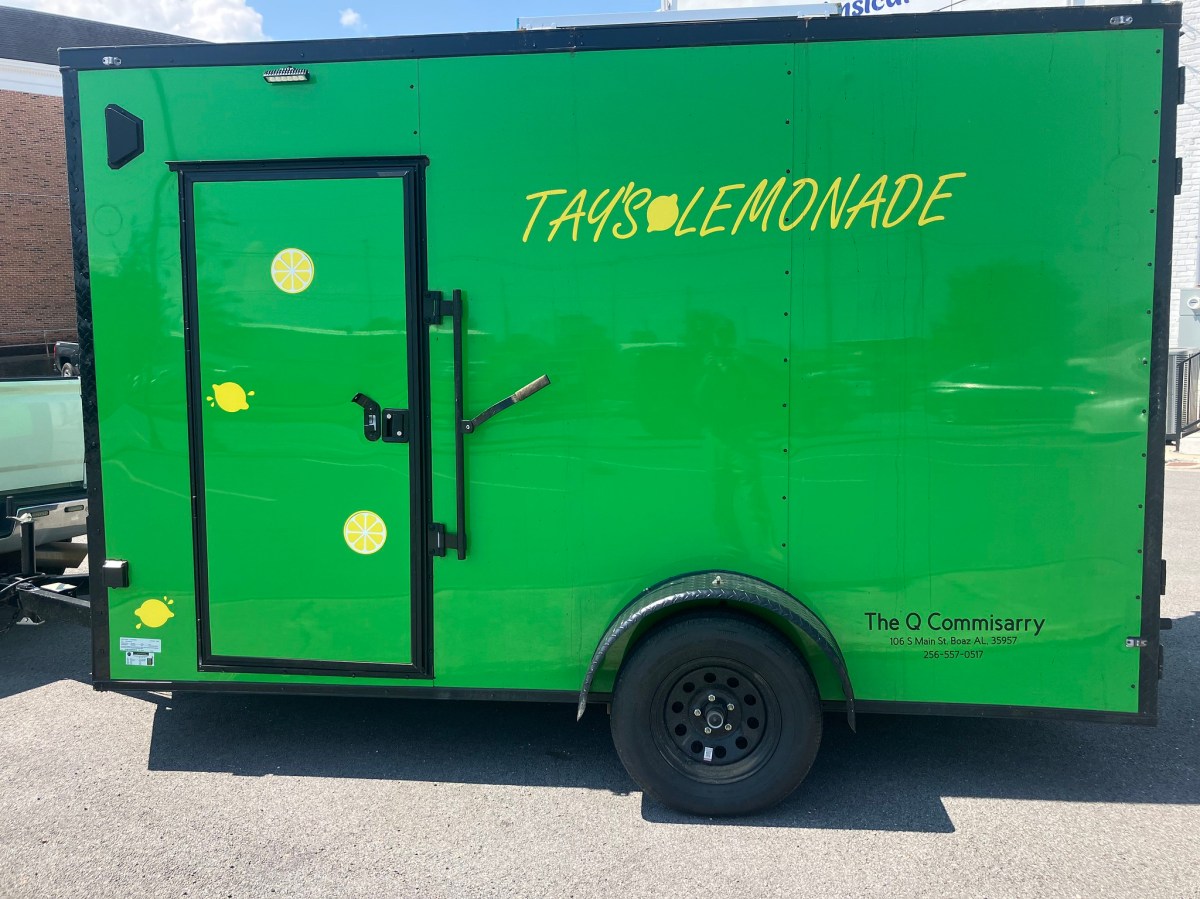
A food truck may look independent.
It has its own equipment.
It has its own menu.
It may have its own following.
It may show up at events, parking lots, schools, ballgames, factories, churches, and festivals.
But a serious food truck still needs a dependable base.
That is where a commissary matters.
A commissary is not just a name on a form. It is the place behind the operation — the place where certain practical needs can be handled safely, legally, and consistently.
A food truck may need fresh water. It may need a place to dispose of gray water. It may need trash disposal, used cooking oil disposal, limited sink access for servicing, and documentation support. Some operators may also need scheduled kitchen prep time, refrigeration, storage, warewashing, smoker access, or other approved facility services.
Not every food truck needs the same arrangement.
Some operators need only basic commissary support. Others need a more involved relationship with kitchen time, storage, refrigeration, or prep space. A BBQ trailer may have different needs from a coffee trailer. A taco trailer may have different needs from a dessert trailer. A growing mobile food business may begin with basic commissary service and later need additional support.
The important thing is clarity.
The food truck operator needs to know what is approved, what is included, what is not included, how visits are scheduled, what services are available, and what responsibilities remain with the operator.
The commissary also needs clarity. A shared-use facility cannot work well if operators come and go without schedules, use unapproved areas, store items without permission, or treat the building as casual rental space.
That is why The Q treats commissary service as a professional arrangement.
The Q provides food truck commissary support for approved operators who need a dependable base in North and Central Alabama. Depending on the approved arrangement, commissary service may include fresh water fill, gray-water disposal, trash and grease disposal, limited sink access for basic servicing, and commissary documentation support.
Additional services, such as kitchen production time, refrigeration, freezer space, dry storage, smoker use, chargrill use, retail pickup, or warewashing, must be separately approved and priced.
That may sound careful.
It should.
A food truck business is still a food business. It needs to operate safely, legally, and professionally. The commissary relationship should support that — not create confusion.
For the right operator, a good commissary can provide a practical foundation.
It can help the operator stay compliant.
It can make daily or weekly operations more manageable.
It can give the business room to grow carefully.
It can help a mobile food business start smaller without being careless.
A food truck may be mobile.
But it still needs a place to stand.
Thinking about using The Q?
If you operate a food truck, food trailer, BBQ trailer, drink trailer, dessert trailer, or other mobile food business, The Q may be able to help with commissary support and other approved facility services.
Request a Tour
Learn more about Food Truck Commissary Service
Return to Food Business Notes


