It is more than a signature on a form.
A food truck or food trailer may look self-contained from the outside.
It may have cooking equipment. It may have a smoker, grill, fryer, refrigerator, sinks, storage, and a service window. Some mobile units are impressive. Some are almost small restaurants on wheels.
But even a good food truck usually needs something behind it.
That is where a commissary comes in.
At The Q — Commercial Kitchen & Commissary in downtown Boaz, we are working with mobile food operators who need a dependable base for the parts of food business that do not always fit neatly inside a trailer.
A commissary is not just paperwork.
It is part of the operating system.
The basic need
At the simplest level, a food truck commissary may provide support such as:
- fresh water fill;
- gray-water disposal;
- reasonable trash disposal;
- approved sink access for basic servicing;
- documentation support for health department requirements;
- a scheduled place to check in, reset, and operate properly.
For some operators, that may be enough.
They prepare on the truck. They store supplies elsewhere. They clean most items on the truck. They simply need an approved commissary location for basic servicing and documentation.
That is one level of service.
When the need grows
Other mobile food operators need more.
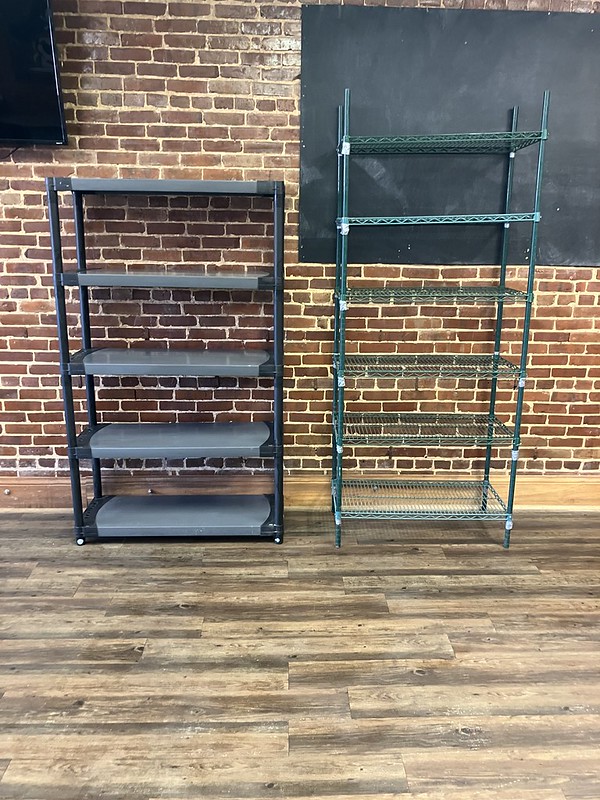
They may need dry storage for paper goods, packaging, foil pans, cups, lids, gloves, dry ingredients, spices, or sealed supplies.
They may need refrigerated storage for approved foods, sauces, drinks, sides, or ingredients.
They may need freezer space.
They may need scheduled access several times per week because the food stored at the commissary is part of their operating rhythm.
That is no longer basic commissary service. That is a larger arrangement.
At The Q, we are developing these arrangements carefully because storage and refrigeration are real services. They require space, organization, access control, labeling, food-safety expectations, and coordination with other operators.
Sink access does not always mean the same thing
This is an important distinction.
A basic commissary arrangement may include limited sink access for servicing the mobile unit.
But that is different from using a commercial three-compartment sink for full dishwashing or end-of-day cleanup.
A barbecue trailer, for example, can create a serious cleanup load: pans, utensils, cutting boards, tongs, trays, containers, sauce items, and greasy equipment. That kind of warewashing is valuable kitchen use. It takes time, hot water, sanitizer, space, and proper reset.
So a commissary agreement needs to be clear.
Basic sink access is not the same as full warewashing.
Full warewashing should be scheduled and approved.
Storage is not the same as kitchen access
Another distinction matters.
If an operator rents a cooler or dry storage space, that does not automatically mean the operator has full use of the kitchen.
Storage access means the operator may retrieve and store approved, labeled items in approved areas during approved times.
Kitchen access is different.
Kitchen access may include prep tables, production sinks, packaging surfaces, cooking equipment, cooling, reheating, portioning, assembly, or other food-production work.
Those uses must be scheduled separately.
That is not about making things difficult. It is about keeping the facility clean, fair, safe, and organized for every operator who uses it.
Why scheduling matters
The Q is a shared-use facility.
That means access has to be controlled.
Food trucks, caterers, retail food operators, commissary users, and specialty-equipment users may all need the building at different times. Without scheduling, the facility can quickly become confusing.
Scheduled access protects:
- the operator;
- other operators;
- stored food and supplies;
- equipment;
- cleaning/reset standards;
- and the facility itself.
As The Q grows, access will become more important, not less.
A better way to think about commissary service
Instead of thinking of a commissary as one simple monthly fee, it may be better to think in levels.
One operator may need only basic servicing.
Another may need dry storage.
Another may need refrigeration.
Another may need regular warewashing.
Another may need kitchen prep time.
Another may eventually need a retail pickup arrangement.
Those are different levels of use.
At The Q, we are trying to build a structure that can support those differences without confusing them.
The goal
The goal is simple:
Help serious food operators start, operate legally, work safely, and grow carefully.
For some operators, that means basic food truck commissary support.
For others, it means storage, refrigeration, warewashing, kitchen access, smoker or chargrill access, or retail pickup opportunities.
The important thing is to match the arrangement to the actual need.
A good food business needs more than good food.
It needs a workable system behind it.
That is part of what The Q is here to provide.
The Q — Commercial Kitchen & Commissary
106 South Main StreetBoaz, Alabama
Food truck operators, caterers, BBQ trailers, mobile vendors, and food entrepreneurs who need commissary support, kitchen access, storage, refrigeration, smoker / chargrill access, or retail food opportunities may contact The Q to schedule a tour and conversation.
Call or text: 256-557-0517


